

Introduction to Lithium/Sodium-Ion Square Battery Cells & PACK Project
Chapter 1: Cell Project Introduction
1.Battery Principle
Battery: A device that converts chemical energy into electrical energy and vice versa through electrochemical reactions between the positive and negative electrodes.
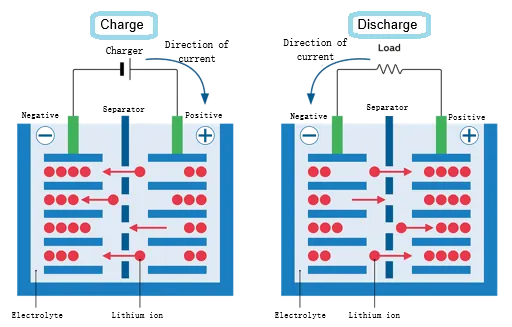
Charge
- The positive electrode undergoes an oxidation reaction, while the negative electrode undergoes a reduction reaction;
- The charged ions in the electrolyte move from the positive electrode to the negative electrode through the separator;
- The electronic circuit moves from the positive pole to the negative pole, opposite to the direction of the current.
Discharge
- The positive electrode undergoes a reduction reaction, while the negative electrode undergoes an oxidation reaction;
- The charged ions in the electrolyte move from the negative electrode to the positive electrode through the separator;
- The electronic circuit moves from the negative pole to the positive pole, opposite to the direction of the current.
| Na+ VS Li+ | |
| High safety performance | High energy density |
| Wide working temperature | Excellent cycling performance |
| Threshold low cost | Good magnification performance |
2.Square Aluminum Case Cell Structure
2.1 Exterior image
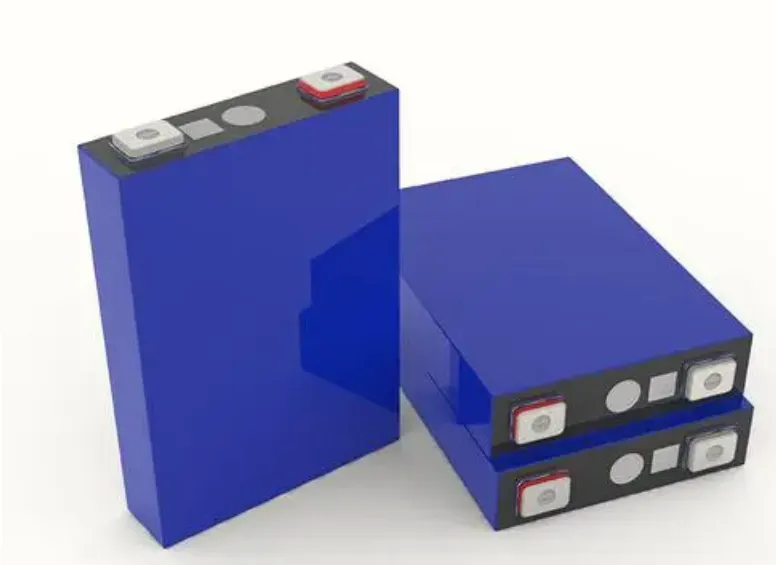
Physical Image of square aluminum case battery cell
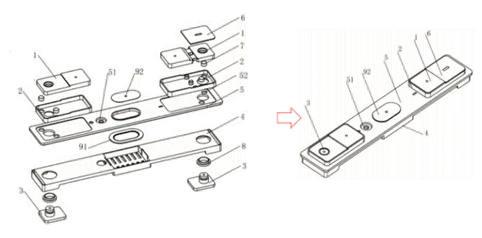
Schematic diagram of top cover structure
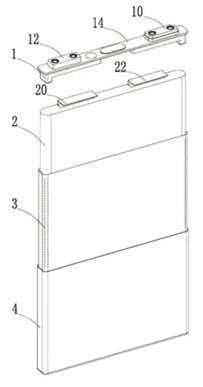
Schematic diagram of square battery cell structure
1.Upper pole
2. Insulated plastic
3. Bottom pole
51. Injection hole
92. Protective film
6.Protection plate
7. Anti rotation column
52.Installation hole
5.Cover plate
8.Sealing ring
1. Top cover structure
20.Negative electrode ear
2. Cell
3. Cell insulation film
4. Packaged cell
2.2 Internal structure diagram
Lamination — V.s—Rolled
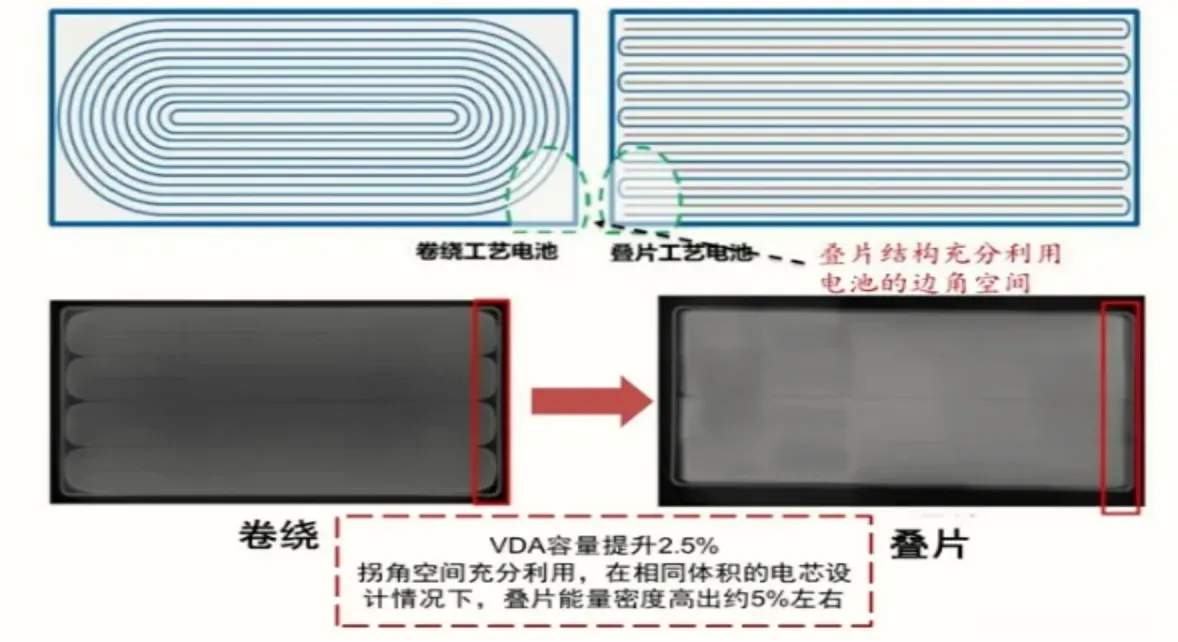

Plate team of Square aluminum case battery cell


Plate structure
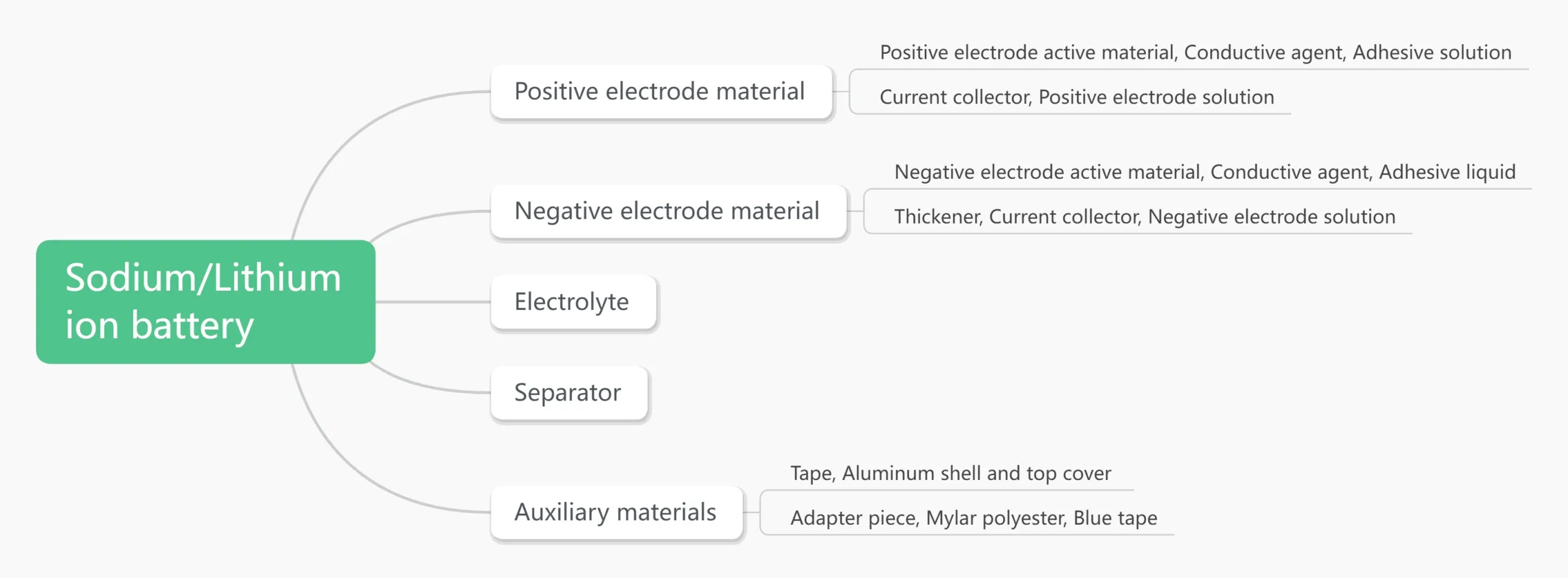
Aluminum foil for lithium positive electrode current collector and copper foil for negative electrode;
Aluminum foil is used for both positive and negative current collectors of sodium electrodes;
3. Square cell process flow
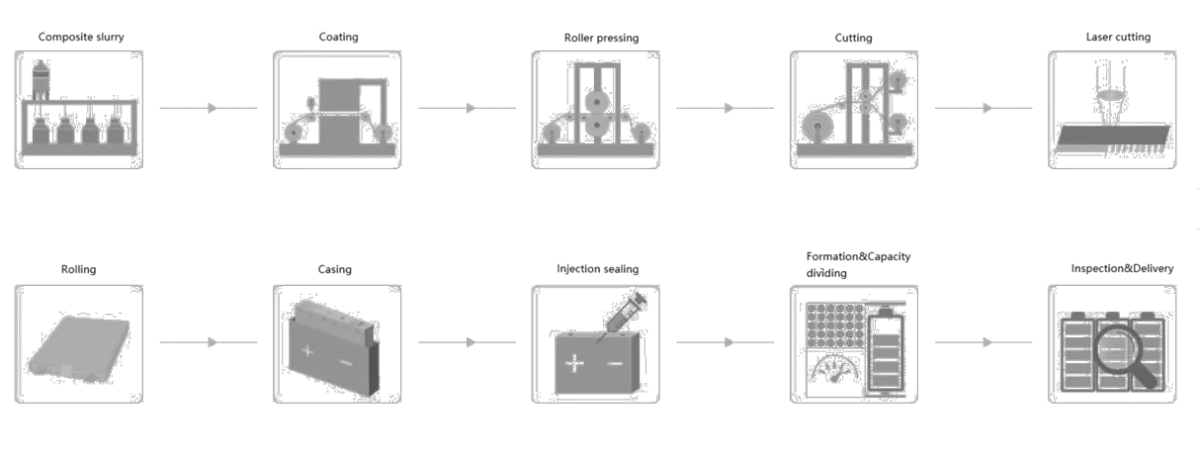
3.1 Mixing slurry
Using a dual-dispersing shaft vacuum planetary mixer, which integrates vacuum low-speed mixing and high-speed dispersion for efficient stirring. Combining revolution and rotation movements achieves thorough mixing of materials
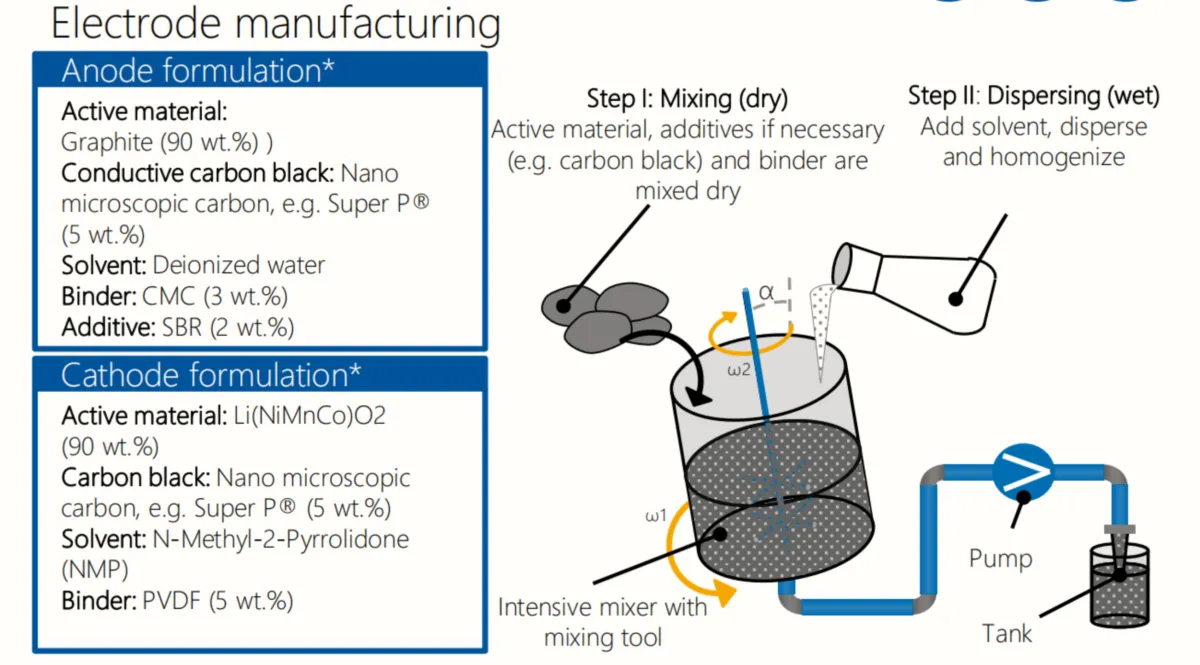
Diagram of the mixing process
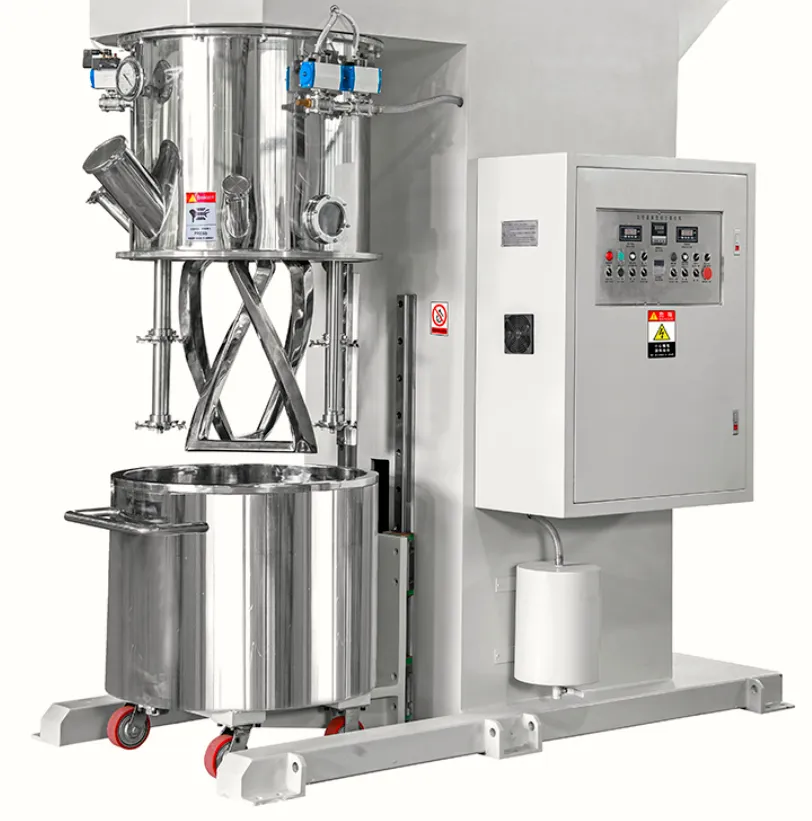
Dual-dispersing shaft planetary mixer
3.2 Coating & drying
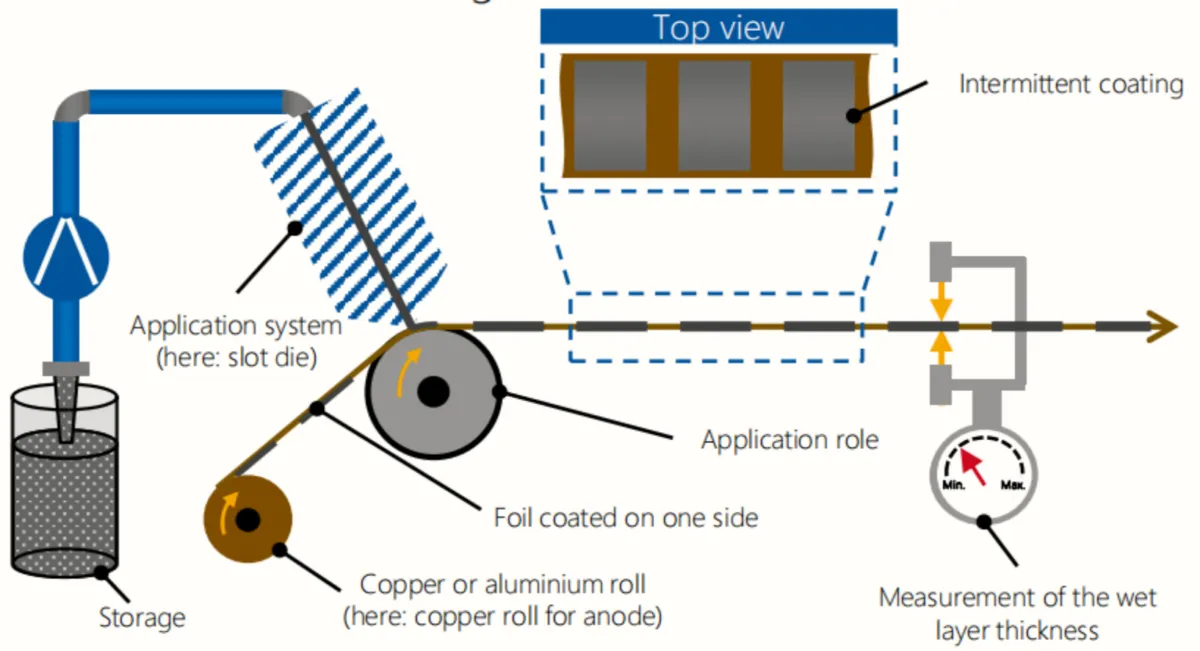
Coating
The electrode slurry is uniformly coated onto the current collector foil using a coater. After passing through a high-temperature oven, the solvent evaporates, resulting in a dried electrode sheet.
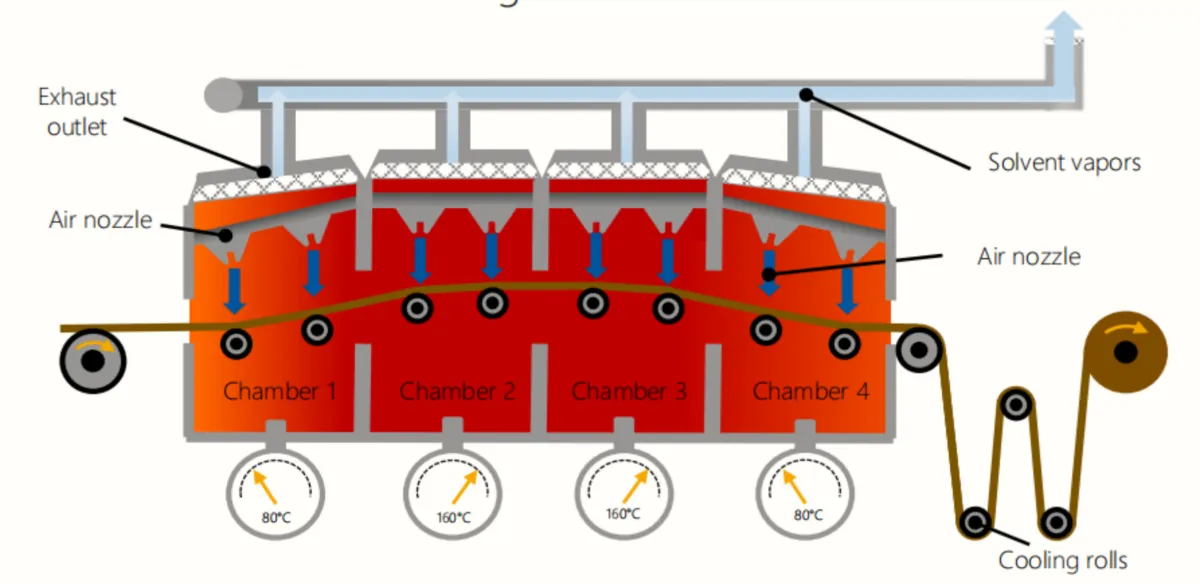
Drying

Coating Machine Equipment
3.3 Roller pressing
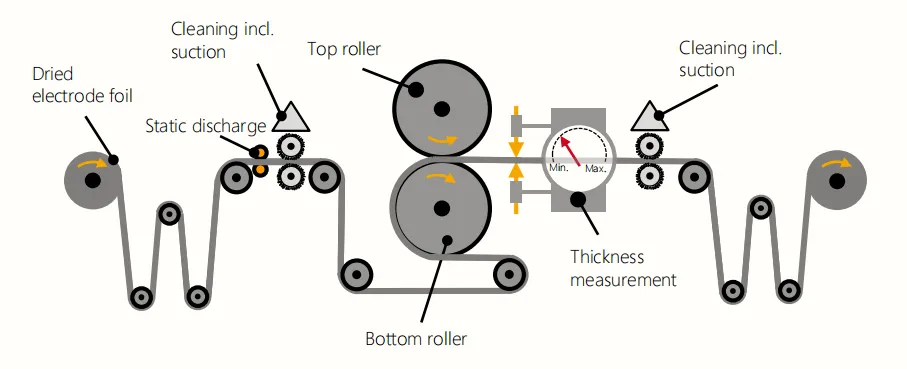
The electrode sheet is compacted. The battery electrode sheet is rolled to the process-required density and thickness using rollers, and then wound up by a winding mechanism, thereby increasing the battery’s energy density and reducing its volume.

Rolling Machine Equipment
3.4 Slitting
Cut the wider pole piece into one or more narrower pole pieces.
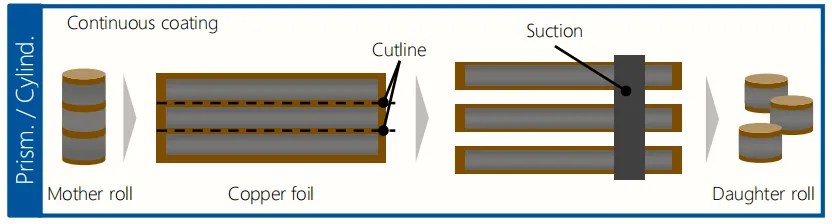
Schematic diagram of polarizer cutting
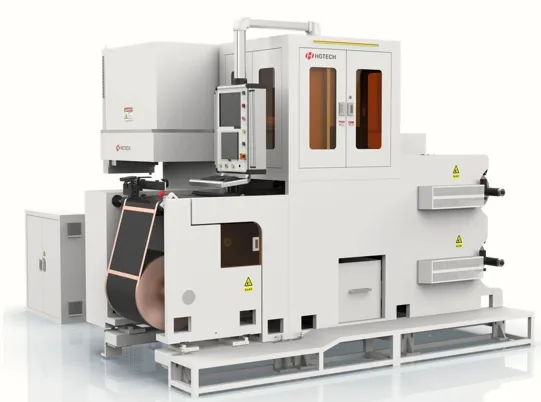
Polar slitting machine equipment
3.5 Rolling
Wrap the positive electrode sheet, negative electrode sheet, and separator into a battery cell package
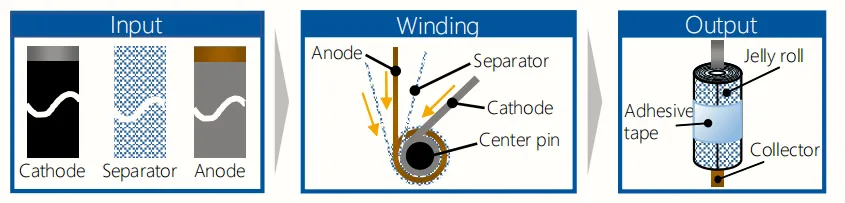
Rolling diagram
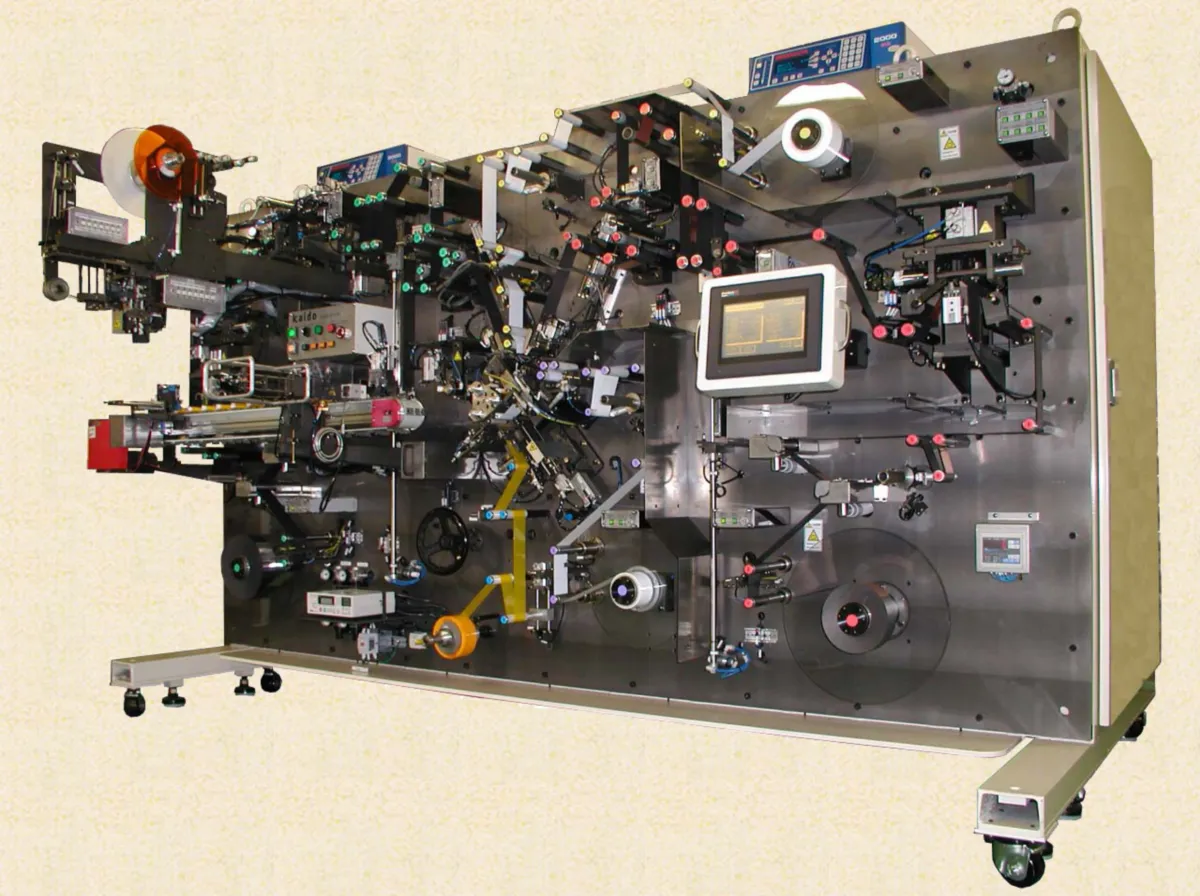
Rolling machine equipment
3.6 Input the case
The bare cell is placed into the square aluminum casing, and the top cap is welded and sealed.
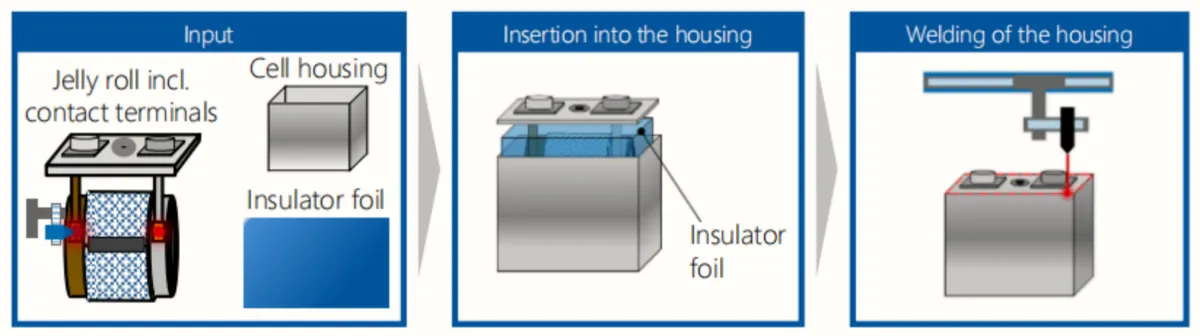
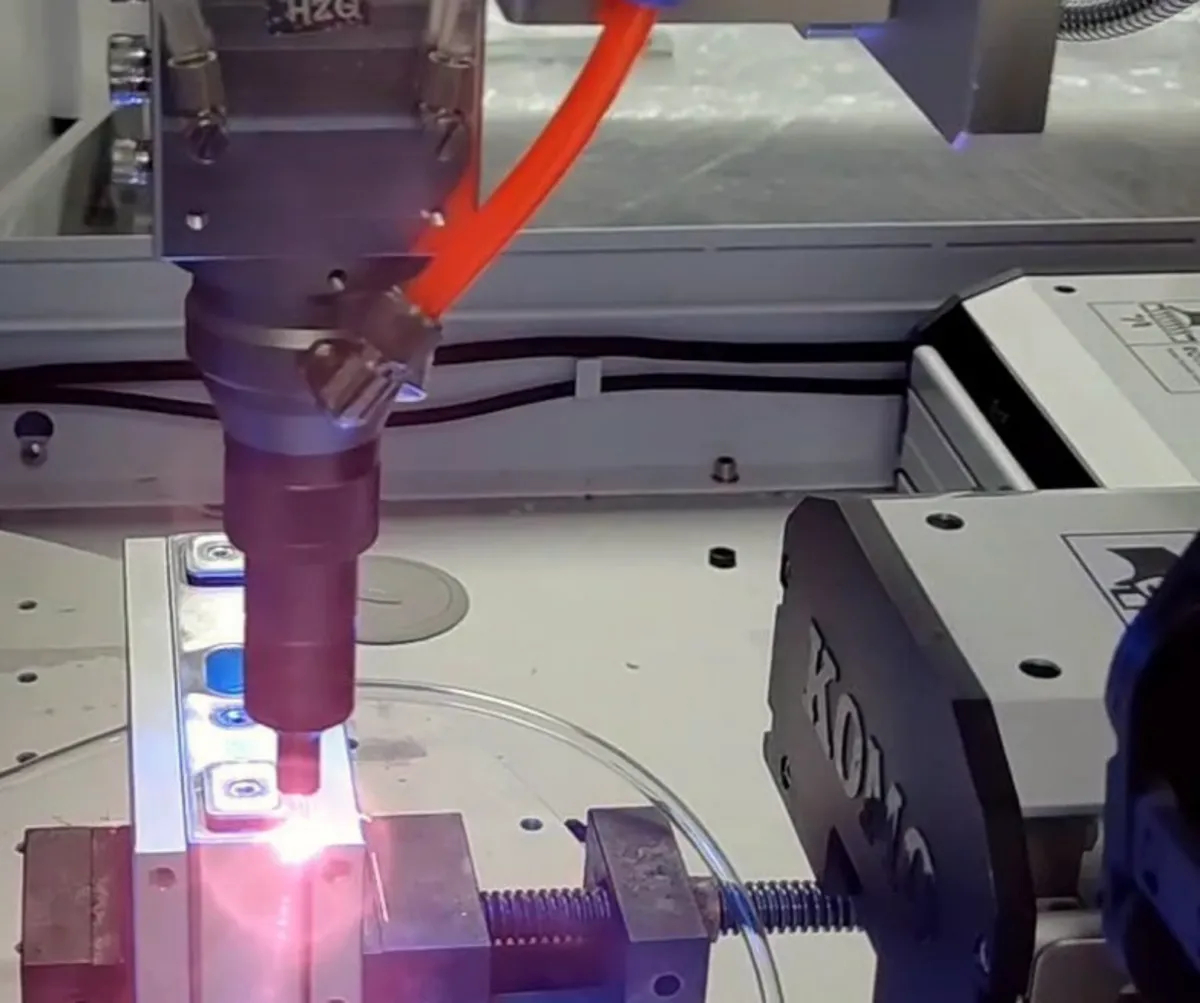
Top cover laser welding
3.7 liquid injection
Electrolyte is injected into the cell
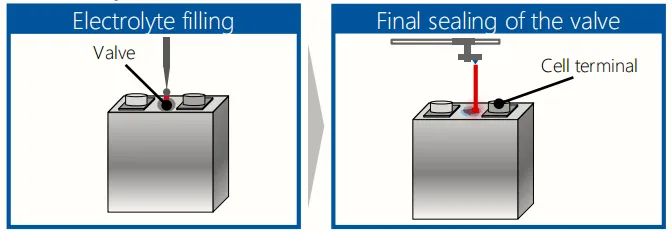
Diagram of electrolyte filling
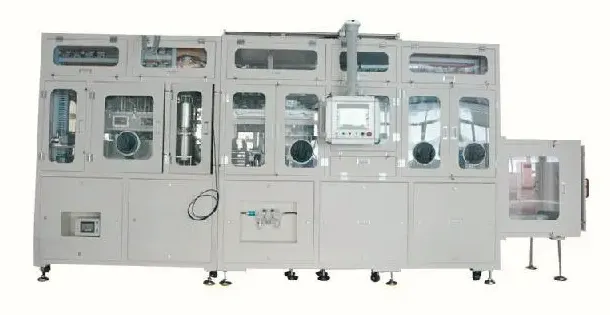
Electrolyte filling machine
3.8 Charging & Discharging /Capacity division
The cell is activated through charging and discharging to activate the internal circuit
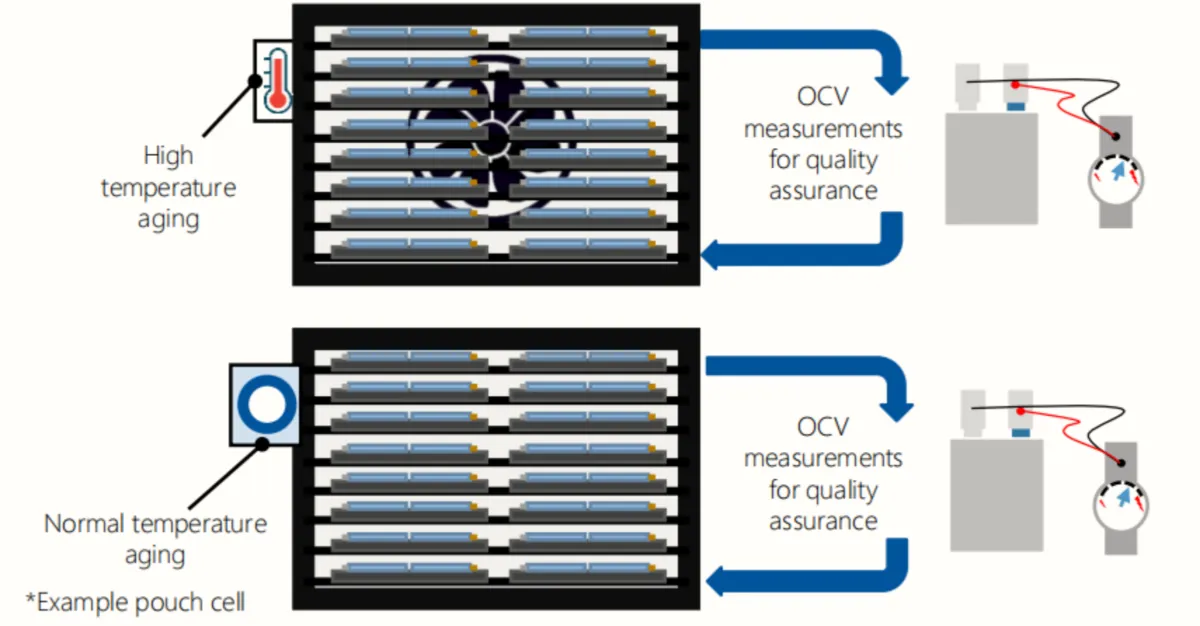
Formation & Grading diagram
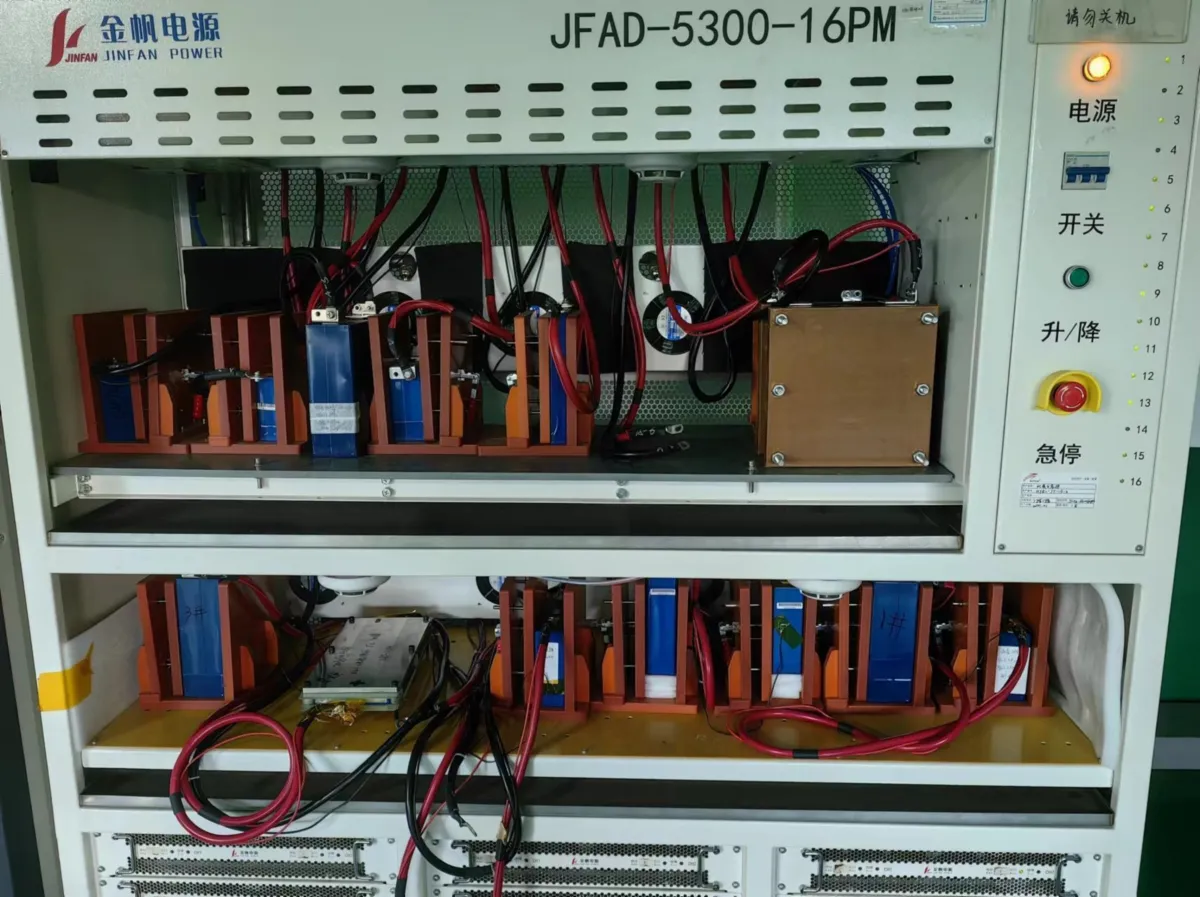
Cell Aging Process
3.9 Inspection and Delivery
Conduct voltage, internal resistance, and withstand voltage insulation tests on the battery cells, and package them for shipment
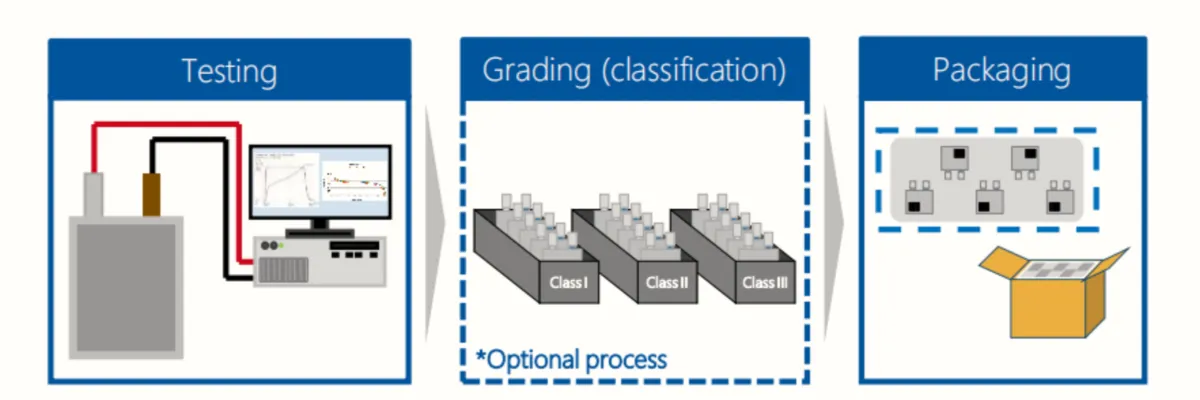
Inspection packaging schematic diagram

Packaging of finished battery cells